Craniosacral Therapy (CST)
What is Cranio Sacral Therapy?
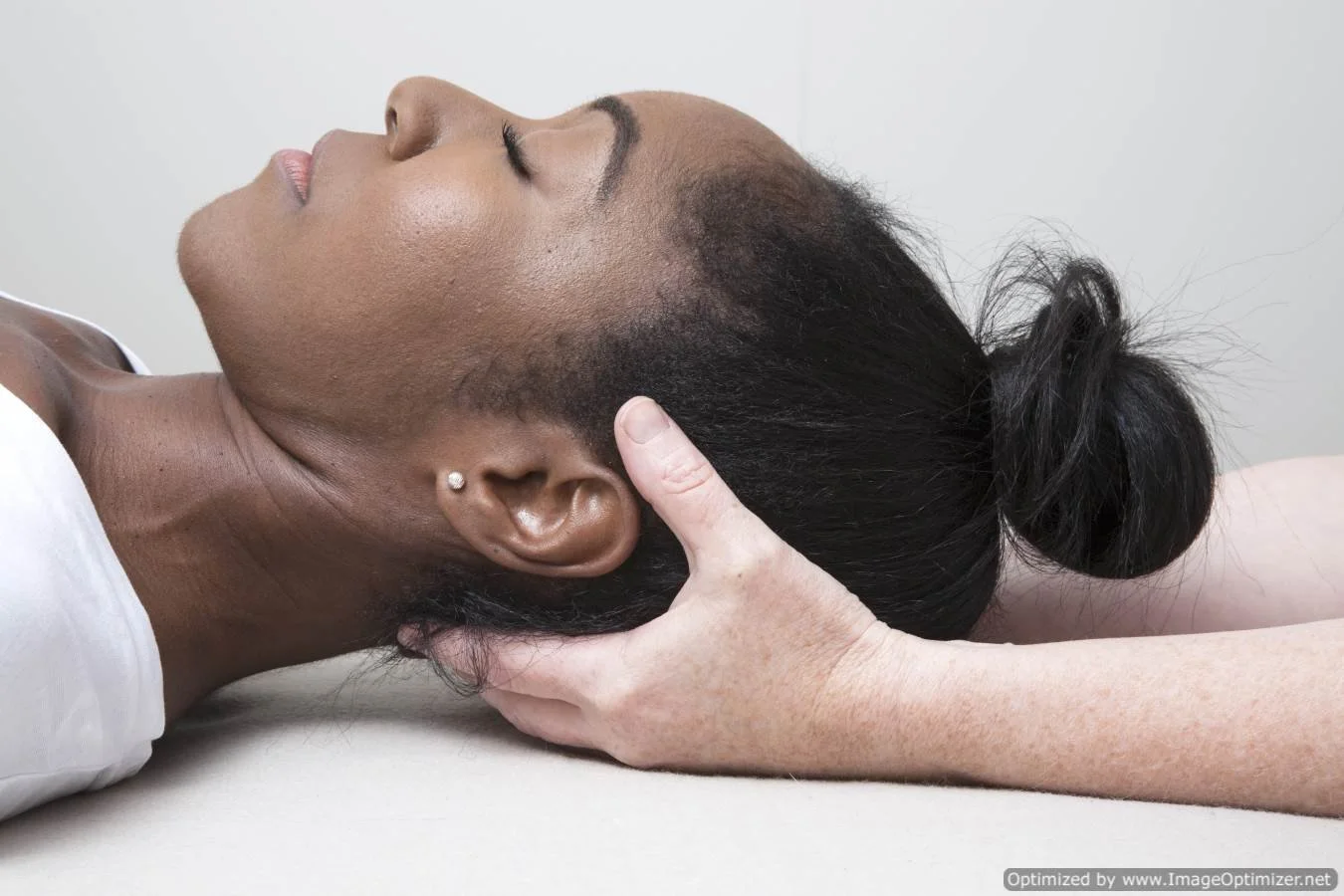
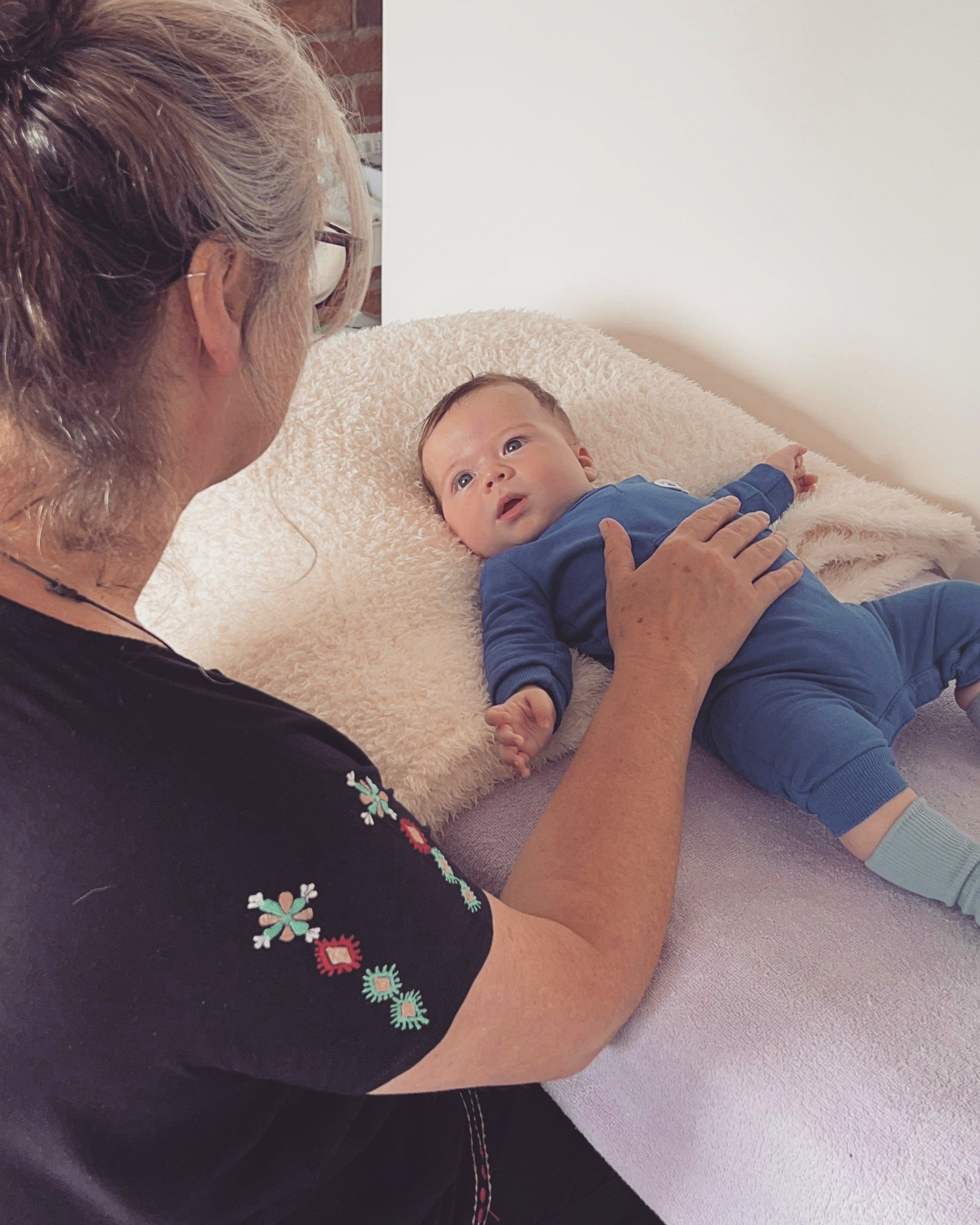
Craniosacral Therapy (CST) is a gentle, hands-on therapy that works with the body’s craniosacral system - the bones, membranes, and fluids that support and protect the brain and spinal cord. Through soft, intuitive touch, CST helps to release tension, enhance the function of the central nervous system, and support the body's innate healing abilities.
How Does It Work?
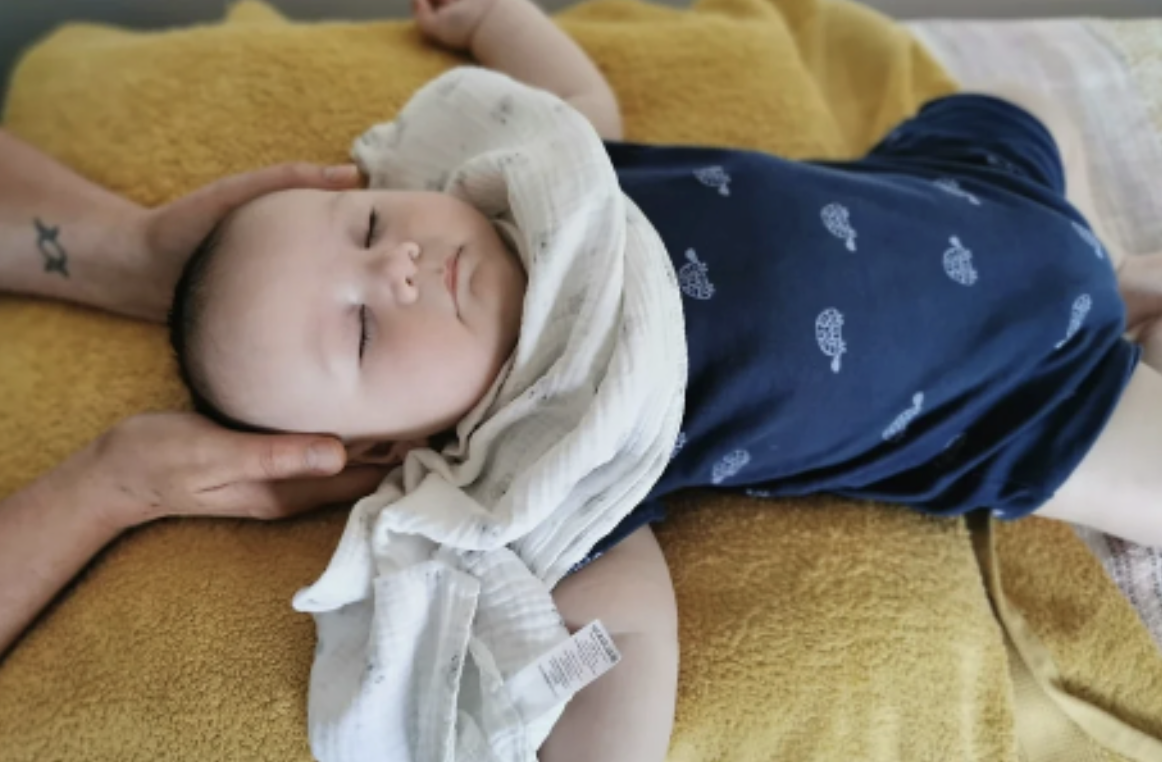
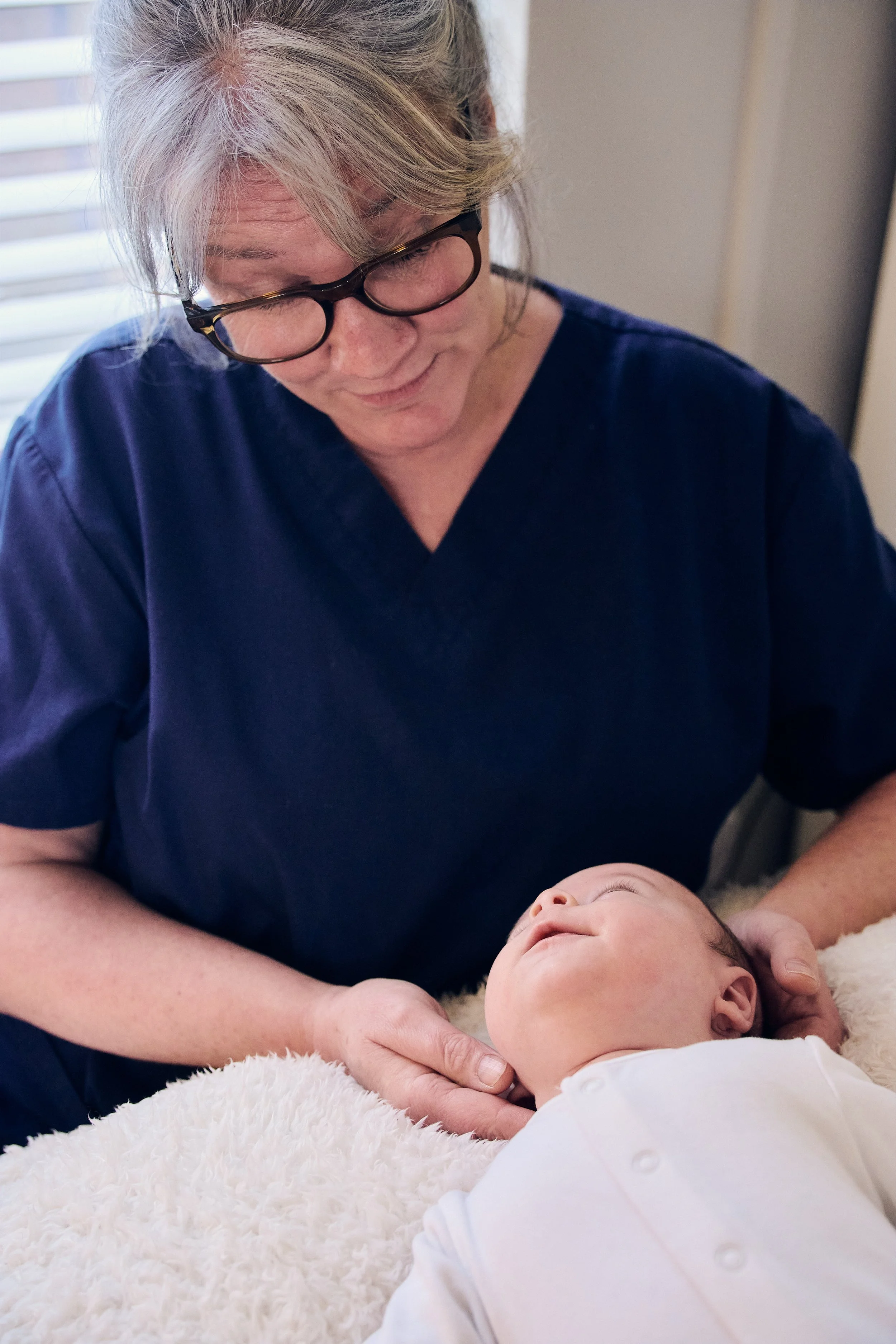
Using light pressure, the practitioner gently places their hands on various areas of the body—typically the head, spine, and sacrum. This allows them to listen to the subtle craniosacral rhythm and identify areas of restriction or imbalance. By encouraging the release of these restrictions, CST helps restore the body's natural flow and ease, promoting a sense of deep relaxation, alignment, and well-being.
When a practitioner places their hands lightly on you during a therapy session, they are using them to listen to you in much the same way that a counsellor might listen to your words. Your body responds to this sensitive touch by beginning to listen to itself. A feeling that you have been heard in the truest sense of the word is a common experience during and after a CST session.
Who Can Benefit?
CST is suitable for people of all ages, from newborns to the elderly. It can be especially supportive for:
Babies that have had a malpresentation in utero, such as breech, transverse lie, face or brow presentation.
Those who have had a traumatic birth: long labours, especially in the second stage, rapid births, instrumental deliveries with forceps or ventouse, resulting in torticollis, haematoma, extreme caput and moulding, tension and pain.
feeding difficulties, issues with latching, restricted oral function, symptoms of reflux and colic. General unsettled and fractious babies
Children with sensory processing concerns, anxiety, or developmental imbalances.
Adults experiencing chronic pain, migraines, stress, TMJ dysfunction, tinnitus, and other physical or emotional tension/stress related issues.
Cranio sacral Therapy for Pregnancy & Postpartum
CST is a beautiful, gentle approach in pregnancy and the postnatal period. It allows a space for quiet reflection and to bond with your baby. It supports your body’s physical changes and has a balancing effect on your endocrine (hormones) and nervous system.
It can help with physical issues such as
back and hip pain
SPD & pelvic girdle pain PGP & sciatica
Fear of childbirth
Birth trauma
Breastfeeding issues
It can be beneficial in supporting those with fears about childbirth, generalised anxiety and stress. It is also a valuable therapy for women in the postnatal period, the fourth trimester, helping to restore your body post birth and can be a space to support those who may feel some trauma as a consequence of their birth experience.
Women often come during pregnancy, and mothers and their babies for problems associated with difficult births. Letting go of tension and fear held in the body enables both mother and baby to settle into calmness.
The practitioner has an indepth knowledge of anatomy and physiology and may work at different places around the body while you are fully clothed. In pregnancy, depending on your trimester you may be lying on your side, or comfortably sitting on a birth ball, or leaning forward onto the couch. It is a deeply relaxing and gentle therapy, which promotes a sense of safety in the body, which allows for healing on many levels.
As a therapist, I hold space with empathy and calm. I bring a whole-person perspective into every session—understanding that healing and adjustment in the postnatal period is not just physical, but deeply emotional and energetic as well.